Berlin-born Ernst Lubitsch accepted an offer to move to Hollywood in 1922, where he rose to become one of the most celebrated directors and producers in American cinema. His trademark became the famous “Lubitsch Touch”: the art of suggesting events – often of a romantic nature – through hints, glances, and revealing gestures rather than explicit depiction, which contemporary censorship would not have permitted. In doing so, Lubitsch made the audience his accomplice.
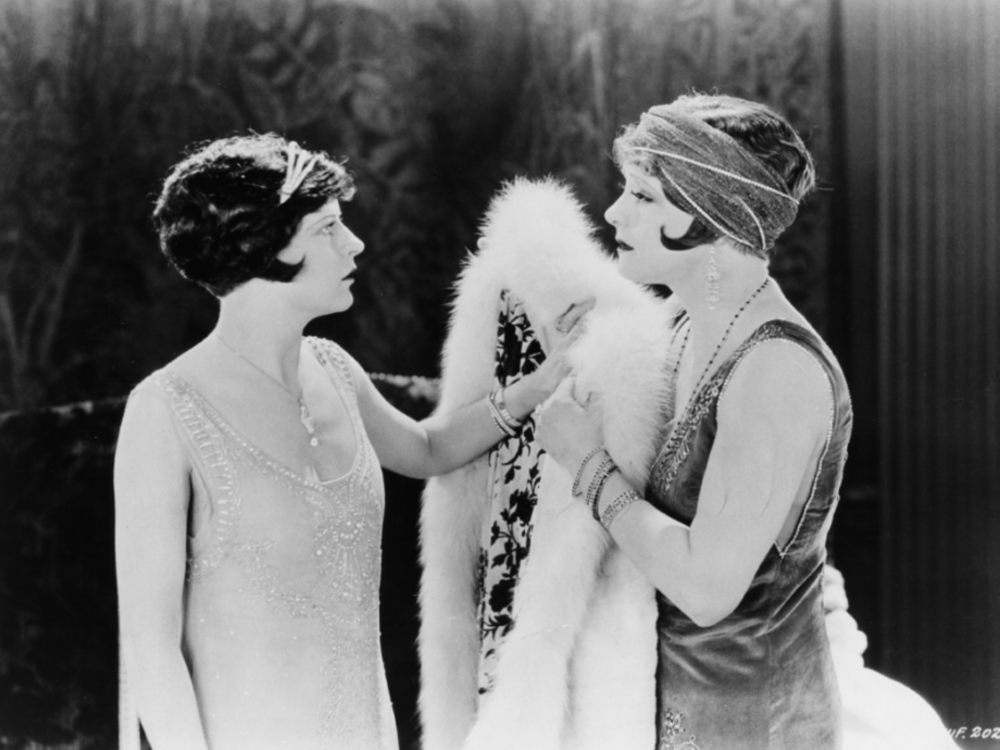
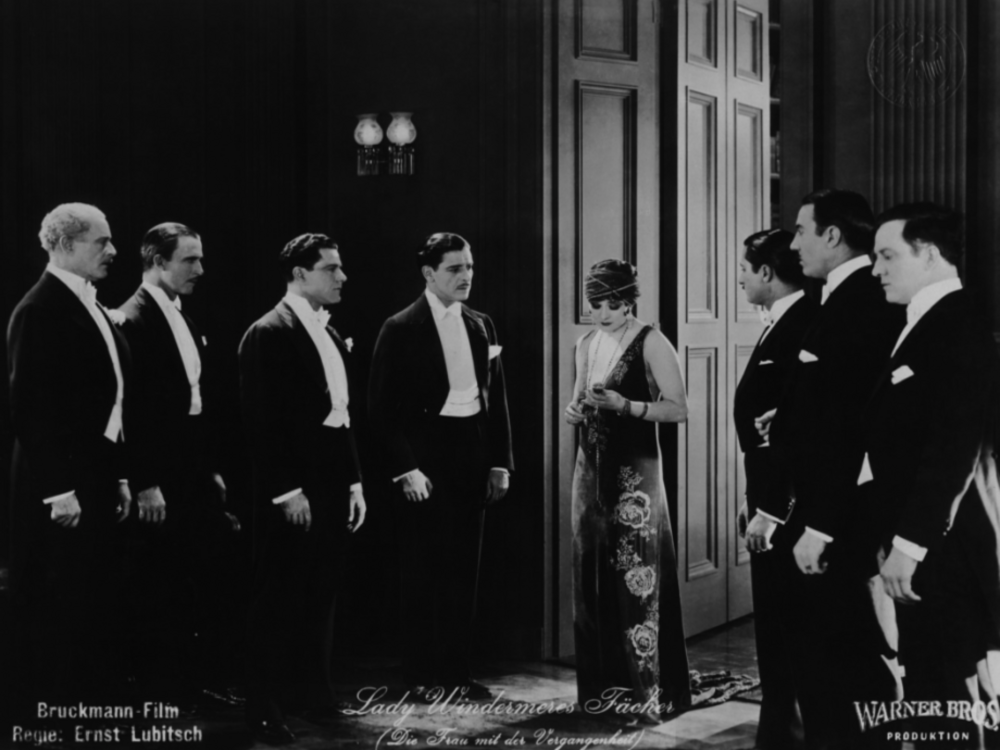
One of the finest examples of this celebrated “Lubitsch Touch” is his sixth Hollywood production, LADY WINDERMERE'S FAN. Through shots of astonished faces, whispering ladies, opening doors, and forgotten accessories, this social satire tells the story of a fateful misunderstanding while skewering the double standards of English high society almost entirely through visual means.
At the time of its release, the Los Angeles Times praised Lubitsch for bringing a literary work to the screen while perfectly capturing the spirit of Oscar Wilde’s original.
Synopsis:
Young Lady Windermere suspects her husband of having an affair with a woman who abandoned her husband and child years earlier, ruining her reputation in London society before suddenly reappearing after a twenty-year absence. In reality, Mrs. Erlynne is Lady Windermere’s long-presumed-dead mother, as she reveals to Lord Windermere. To protect his wife’s reputation, Lord Windermere pays Mrs. Erlynne to conceal her true identity.
Much to Lady Windermere’s dismay, her husband invites the woman she believes to be his mistress to her birthday party. Humiliated and heartbroken, Lady Windermere decides to run away with her admirer, Lord Darlington. When Mrs. Erlynne discovers her daughter’s farewell letter, she follows her to Darlington’s apartment in an attempt to persuade her to return home. But when Lord Windermere unexpectedly arrives there in Darlington’s company, Lady Windermere’s reputation is suddenly at risk.
The all-female ensemble The Roaring Dames, under the direction of Luiza Labouriau, will perform the world premiere of a new score by Tobias Schwencke.